
REVIEW: Currents - The Way it Ends [2020]
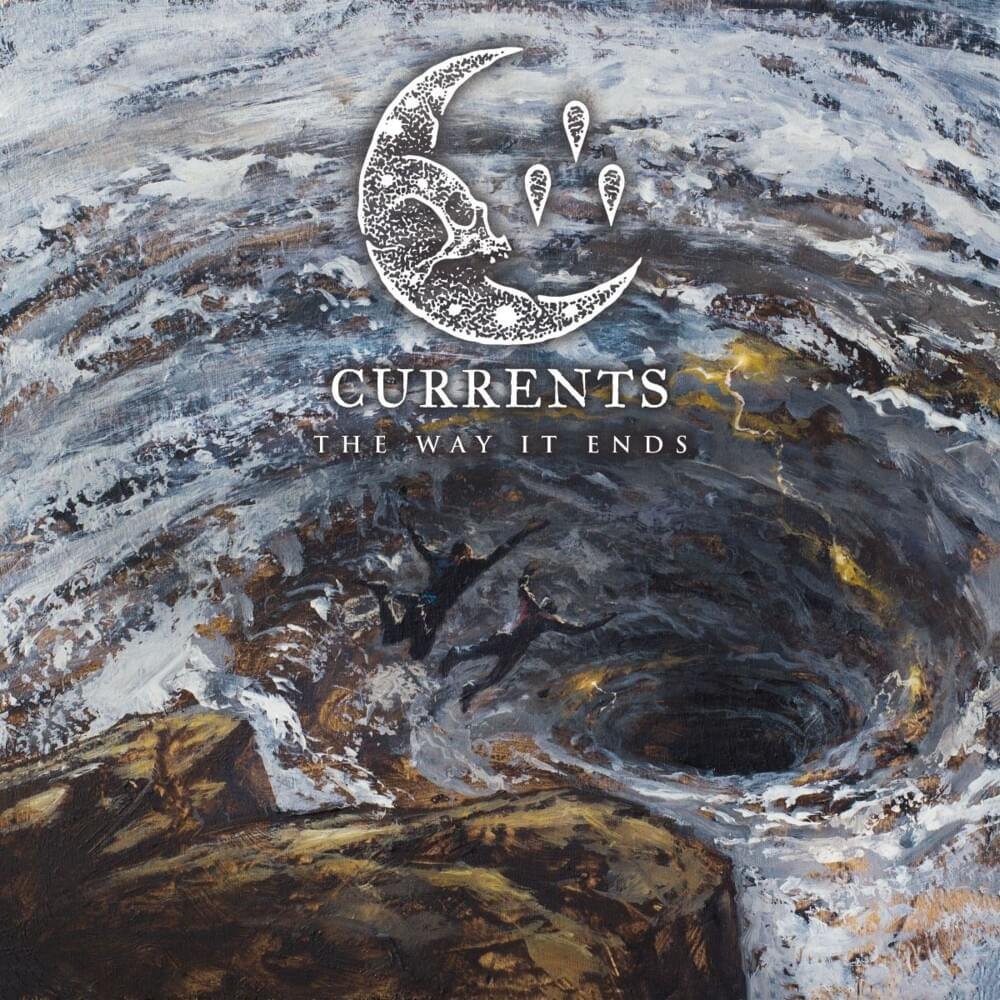

Artist: Currents
Album: The Way It Ends
A uniqueaspect of the human psyche is the inherent fascination with endings. Evenduring the blissful opening months of a growing relationship, the notion of an endingoften lingers somewhere in the corners of one’s mind. From the age where we’reable to understand the irreversible nature death, we contemplate what death—perhapsthe “greatest” ending—is like. What happens after? Does it hurt? Where do wego? This fascination with endings and the new beginnings they may or may notbring is a dialectic of sorts—a clashing between high-strung nervous energy andmelancholy complacency fettered with acceptance. Standing upon the precipice ofthe next step along their immense career, Connecticut crushers in Currentsembody this dialectic on The Way It Ends,a record that sees the band take a step away from their frenzied, technical andaggressive roots towards a more balance, melodic and introspective brand ofmetalcore. Equal parts catchy, punchy, heavy and atmospheric, The Way It Ends sees Currents changingit up without sacrificing the core elements of their sound, truly bringingabout an end to some elements oftheir dynamic and opening doors into other, previously unexplored realms of metalcore.
Much of Currents’ well-deserved notoriety blooms from the intense and technical yet groovy and catchy style of metalcore the band have spent the better part of a decade perfecting. Where the band’s 2019 EP—and debut full length The Place I Feel Safest before that—saw the band taking on a much more aggressive demeanor with their instrumentation, The Way it Ends eases up on that trend. Now, before that statement gets construed as “Currents has gone soft,” there is still plenty of that bouncy, aggressive side to be had—abundant in the percussion from Matt Young. Young’s drumming on the record’s heavier cuts “Poverty of Self” and “Second Skin” sees him going for the throat, using quick fills and fast feet to set a furious foundation for Currents’ other instrumentalists. Meanwhile, a great number of the other songs—“Kill the Ache” and “Let Me Leave” especially—see Young’s percussion taking a more lax approach while bassist Christian Pulgarin adds weight and heft to the otherwise ethereal cuts. These songs see Currents as we really haven’t seen them before, with Young and Pulgarin providing a mellow, melodic groundwork for guitarists Ryan Castaldi and Chris Wiseman to work atop. Those familiar with the duo—especially Wiseman through his prior works in Currents and his work in Shadow of Intent—are aware of how relentless and ruthless their writing can be; The Way It Ends marks a departure from that constant, intense barrage of furious fretwork. Many songs—“Kill the Ache” for example—see more moderate guitar elements than heard from the duo before, focusing on atmosphere and ambience over aggression. Then, there are those songs from The Way It Ends that balance the aggression from “Poverty of Self” with the more melodic workings of “Let Me Leave.” “Monsters” and album closer “Better Days” are shining examples of Currents doing what they do best—as they also stand to be the record’s strongest cuts. “Monsters” is a dynamic powerhouse, with Castaldi and Wiseman working to create mesmerizing riffs that build into a raunchy, punishing breakdown. “Better Days” feels like it would have fit The Place I Feel Safest as well as it fits The Way It Ends, with everything firing in unison to create a masterful metalcore cut. This dynamic—between a newfound passion for the melodic melancholy and punchy aggression—does brilliantly for Currents’ instrumentation and also carries over excellently into the records’ vocal elements.
Relativenewcomer to Currents, vocalist Brian Wille, has been met with immense criticalacclaim. Absolutely shining on the more aggressive end of Currents’ metalcorestylings on The Place I Feel Safest andI Let the Devil In, The Way it Endssees Wille following suit with Currents’ instrumental direction, maintaining adegree of that sharp, aggressive edge but largely moving towards incorporatingmore singing into the mix. This is evident through the record’s middle stretch,with sister songs “Kill the Ache” and “Let Me Leave,” two tracks which featurehardly any screaming. Other songs—“Origin,” “Monsters” and “How I Fall Apart”—aresimilar, using screamed segments as sparsely as their aggressive musicalcounterparts. Where this might seem like bad news for someone reading thiswhile thinking fondly of the bone-busting cuts from Currents’ discography, thetruth is that these more balanced, moody and melodic songs where Willeseamlessly toggles between soaring choruses and scathing verses feel the mostnatural on the entire record. Wille’s vocal dynamism—and lyrical proficiency—arenothing short of top notch throughout the record, and while we don’t get songslike “Apnea” or “Into Despair,” songs like “Monsters” or “Split” still stand assome of the best in the band’s exhaustive discography.
On paper,the Currents that brings us The Way itEnds doesn’t sound like a hugely different one that we’ve been enjoying forthe past five years. That’s partially true—it’s definitely still Currents—but witha record where at least five of the songs feature largely singing and moreatmospheric, melodic instrumentation, TheWay It Ends is absolutely a stylistic departure from the band’s priorworks. The result? Many of the songs feel someone homogenous—especially thethird quarter of the record, where “Split,” “Origin” and “Second Skin” all kindof blend together; what’s more is that the record’s heavier cuts (“A Flag toWave,” “Poverty of Self”) feel somewhat forced and empty in comparison with “Monsters,”“Better Days” and “Kill the Ache,” which are among the band’s best songs todate. Currents tried something different, and to great success for the mostpart—and while The Way it Ends mightbe the band’s most underwhelming release to date, it features some of theirall-time best cuts, and still holds up outstandingly within and regardless oftheir immense discography.
8.5/10
For Fans Of: Erra, Invent, Animate, Silent Planet, OceansAte Alaska
By: Connor Welsh