
REVIEW: Dreams End - No Angel [EP/2026]
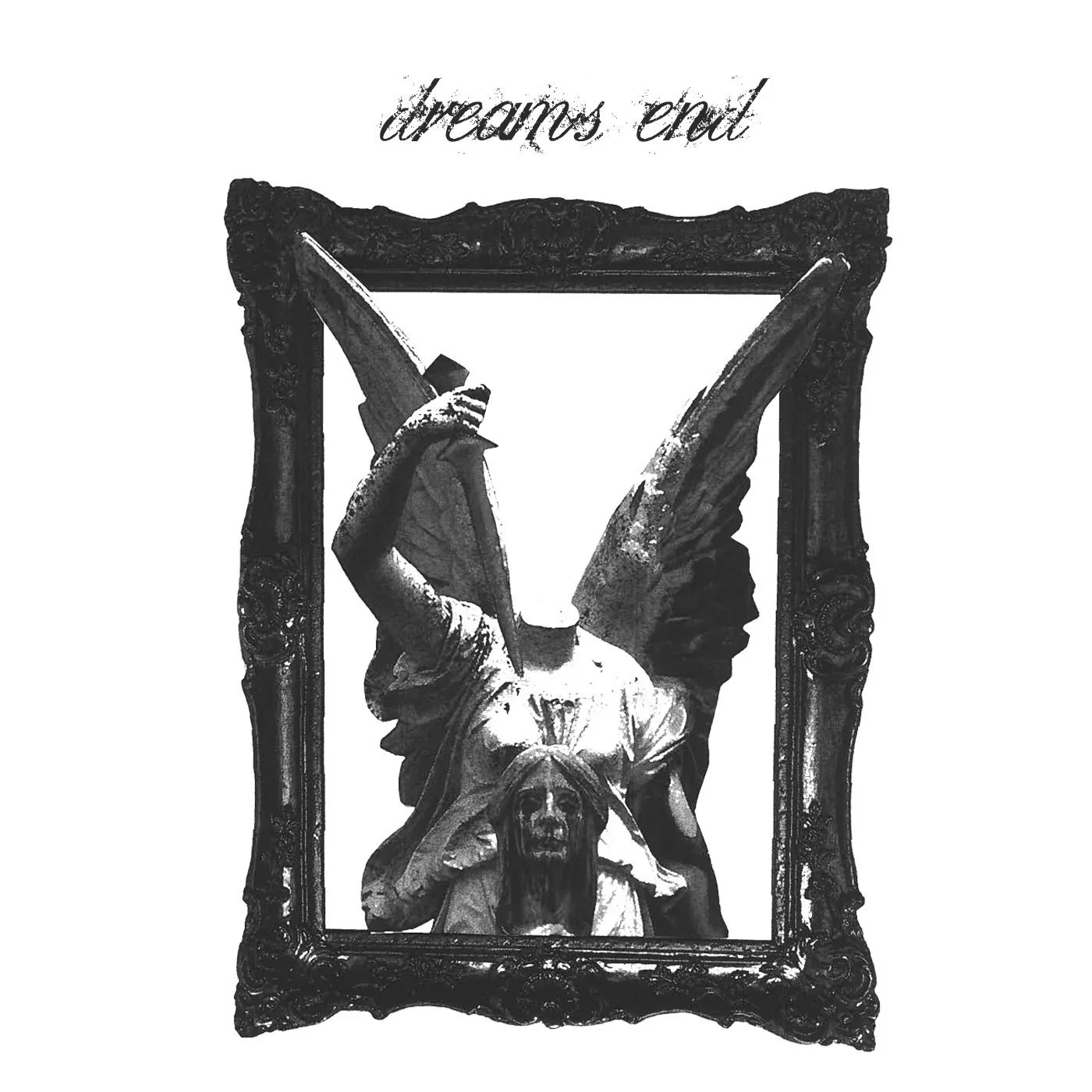

Artist: Dreams End
Album: No Angel - EP
Somewhere between chaotic metalcore, aloof post-hardcore and frantic mathcore exist young Texan project Dreams End, and their sophomore EP No Angel. Evolving from their more humble origins as a straightforward metalcore project into something a bit harder to define and pin down, No Angel is—I can confidently say—unlike anything the listener has likely heard so far in 2026. Combining dissonance, aggression, atmosphere and helter-skelter technicality in a fashion that is both nostalgic and inventive, Dreams End’s 2026 release is a strong—but perhaps slightly underbaked—step into bold new territory, giving enthusiasts of heavy music world-wide something new, different and exciting to immerse themselves in. In a sense, No Angel is every bit what one might expect out of a Texan metalcore project—just maybe twenty years later than when one might have expected it.
There are a host of things Dreams End do well throughout No Angel, from minute things—the tastefully coy and plainly obnoxious song titles—to stylistic flourishes that make influence from mid-career Norma Jean, The Number Twelve Looks Like You and The Armed evident. These dominate in the form of punchy percussion, especially in “Boxy Brown” and “Mick Foley vs Mick Foley vs Mick Foley vs Mick Foley” and fun, dancy guitar work—perhaps best appreciated in the album-opening title track. These tracks exist in contrast to the less straight-forward—but more robust and exciting—cuts “Save Yourself” and “What I Hate Most About You.” The former is lathered in a thick coat of chaotic -core and mid-2000s metalcore influence, hammering away at the listener with frenzied fretwork and devastating drumming, while the latter is a oscillatory, circuitous cut that keeps the listener’s focus locked in a death grip until its ending pangs and stings. And if you think the band’s instrumental elements span an array of influences, the vocals are right there with it. Shrill, pained screams define “Boxy Brown” and “Save Yourself,” while crooned singing and melody rear their heads on “Mick Foley vs Mick Foley vs Mick Foley vs Mick Foley,” working in dialectic tandem with the grab-bag of instrumental influences and stylings, ensuring the listener is never quite sure what’s coming next. This whole experience is peppered with cinema and pop-culture samples—another staple of the era emulated by Dreams End—that add just a little more depth and lightheartedness to an otherwise dense and relentless release.
In spite of its several successes, No Angel has nearly as many missteps—again ranging from subtle to prominent. The first, most noticeable and lowest-hanging among them is also perhaps the most impactful: production. I won’t pretend to be a sound engineer, but for every instance where the slightly canned, tight and noisy production works for Dreams End, there’s a point where it works against them—most noticed on “No Angel,” where the guitars seem positioned to steal the show but can barely be heard above the cacophony of explosive percussion and braying vocals. To that same end, the dense and harsh production allows some of the band’s most impactful moments—like the dissonant, chaotic end to “Save Yourself” to be that much more impactful. The hit-or-miss nature of No Angel’s production amplifies a more subtle fair-weather fault; much like a young child staring down puberty, Dreams End don’t quite seem to know what they want to do when they grow up. Influences ranging from scintillating post-hardcore to spastic mathcore and crushing metalcore all take swings at each other in a vie for the listener’s attention—and again, sometimes this works, sometimes this hinders the overall experience that is No Angel.
No Angel is a strong firmament and a robust jumping off point for Dreams End. Throughout its modest runtime the listener is impressed that, instrumentally and creatively, this young band could go just about any direction they wanted to and likely succeed in it, but that same optimism is evidence that what the group could benefit most from is a more focused and concise sound. With all this said, there aren’t too many bands channeling The Number Twelve’s Mongrel in 2026, and certainly fewer who do it justice, and Dreams End are one of those bands—and a band that is sure to provide the listener with a unique experience and stronger, more robust music in the future.
6/10
For Fans Of: The Number Twelve Looks Like You, The Armed, Norma Jean
Connor Welsh